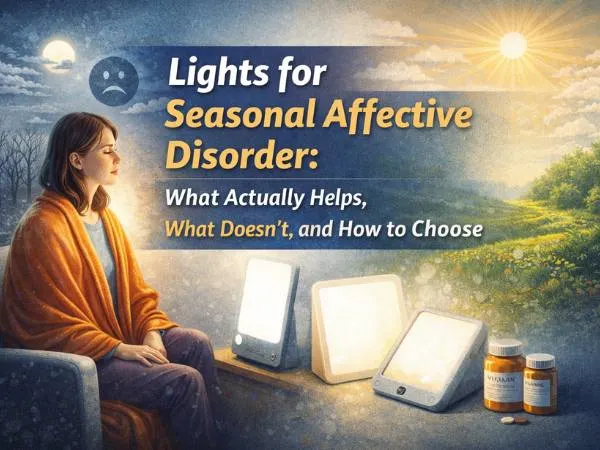
Lights for seasonal affective disorder get pushed every winter. Ads promise energy, focus, and better mood in days. Reviews swing from life-saving to useless. That split leaves people stuck, tired, and unsure where to start.
Seasonal affective disorder, often called SAD, links mood changes to reduced daylight. The fix sounds obvious. Add light. The reality is more specific. The right light, at the right time, in the right way makes the difference. Anything else feels like staring at a desk lamp and hoping.
I’ve read clinical guidance, device specs, and long user reports. One thing keeps repeating. When people match the lamp to the biology, results show up. When they guess, nothing changes.
This guide explains lamps for seasonal affective disorder in plain terms. What features matter. Which lights work. Which don’t. How to read reviews. Where LED, grow, UV, and indoor lights fit. And how to use a lamp so it actually helps.
also read : – Should Seniors Try Barefoot Walking?
What Seasonal Affective Disorder Is (Quick Reset)
Seasonal affective disorder follows a seasonal pattern. Symptoms arrive in fall or winter and ease in spring. Common signs include:
- low mood most days
- low energy
- heavy fatigue
- sleep changes
- carb cravings
- reduced motivation
- social pullback
The driver isn’t weakness. It’s light timing.
Short days shift the body clock. Melatonin rises at the wrong times. Serotonin signaling dips. Energy and mood slide.
Light therapy targets that timing shift.
Why Regular Indoor Lights Don’t Fix SAD
Most homes sit around 300–500 lux. Outdoor daylight, even on a cloudy day, reaches 10,000 lux or more.
That gap matters.
Your brain needs a strong morning signal to reset the clock. Normal bulbs don’t deliver that signal. A therapy lamp does.
Brightness, not warmth or color, drives the effect.
Lamps for Seasonal Affective Disorder: The Non-Negotiables
Ignore brand names first. Look at specs.
A lamp that helps SAD usually has:
- 10,000 lux at a safe distance
- UV-filtered light
- Large light surface
- Stable stand
If a lamp skips these, results drop.
Best Lights for Seasonal Affective Disorder: What “Best” Means
“Best” depends on consistency, comfort, and timing. A lamp only helps if you use it daily.
The best lights share these traits:
- bright enough without glare
- easy to place at breakfast or a desk
- quiet, no flicker
- clear instructions
If a lamp annoys you, you’ll stop using it.
also read : – Is Stem Cell Therapy Right for Aging Knees, Hips, and Joints?
How Light Therapy Works (No Jargon)
Light enters the eyes and hits cells that talk to your body clock. That clock sets sleep timing and hormone release.
Morning light:
- lowers extra melatonin
- supports serotonin activity
- shifts the clock earlier
Energy rises. Sleep steadies. Mood lifts.
This is why morning use matters more than total minutes.
When to Use Lights for Seasonal Affective Disorder
Most people do best with early morning sessions.
A simple rule:
- use the lamp within an hour of waking
- keep timing steady each day
Late afternoon or evening use can delay sleep and backfire.
How Long to Use a SAD Lamp
With a 10,000-lux lamp:
- 20–30 minutes works for most people
Lower brightness means longer sessions. Higher brightness does not mean better results.
Consistency beats extra minutes.
Lamps for Seasonal Affective Disorder Reviews: How to Read Them
Reviews often mislead. Look for patterns, not stars.
Helpful reviews mention:
- timing of use
- distance from lamp
- changes after one to two weeks
- comfort and eye strain
Ignore reviews that say “worked in one day” or “did nothing” without details.
also read : – How Does Hepatitis Affect Seniors Differently Than Younger Adults?
LED Lights for Seasonal Affective Disorder
LED lights dominate the market now.
Pros:
- energy efficient
- long lifespan
- stable brightness
Cons:
- wide quality range
Good LED therapy lamps meet the same lux and UV standards as older fluorescent models. LED itself isn’t the magic. Brightness and timing are.
Are Color Temperatures Important
Many lamps list color temperature like 5,000K or 6,500K.
This matters less than ads suggest.
What matters:
- brightness
- morning timing
Neutral to cool white feels comfortable for most users. Warm white often feels dim at therapeutic levels.
Grow Lights for Seasonal Affective Disorder: Do They Work
Grow lights come up often, especially among plant lovers.
Here’s the truth:
- grow lights focus on plant spectra
- many deliver high lux
- most lack clear UV filtering
Some grow lights help. Many are uncomfortable or unsafe for eye-level use.
If a grow light is marketed for plants, not people, skip it for daily face exposure.
UV Lights for Seasonal Affective Disorder: Avoid This Trap
UV lights do not treat SAD.
UV exposure raises skin cancer risk and does not provide the circadian signal used in light therapy.
Effective SAD lamps filter out UV.
If a product advertises UV for mood, that’s a red flag.
also read : – Why an MHA Degree is Crucial for Tomorrow’s Healthcare Leaders
Indoor Lights for Seasonal Affective Disorder: Setup Tips
Where you place the lamp matters.
Good setup:
- lamp at eye level or slightly above
- about 16–24 inches from your face
- eyes open, not staring
You can read, eat, or work during sessions.
Bad setup:
- lamp behind you
- lamp too far away
- brief, random use
Desk Lamps vs Table Lamps
Both can work.
Desk lamps suit:
- work-from-home routines
- morning emails
Table lamps suit:
- breakfast time
- reading
Choose what fits your habits.
also read : – How to Slim Down for Summer
Best Lights for Seasonal Affective Disorder for Small Spaces
Small rooms need lamps with wide light surfaces. Narrow beams feel harsh and ineffective.
Look for:
- panel-style lamps
- diffused light
Comfort keeps you consistent.
Can Ceiling Lights Replace a SAD Lamp
No.
Even bright ceiling fixtures spread light poorly for circadian signaling.
Eye-level exposure matters.
What Results to Expect (Realistic Timeline)
Most people notice:
- energy lift in 3–7 days
- mood shift in 1–2 weeks
Sleep timing often improves first. Mood follows.
If nothing changes after three weeks, adjust timing or distance.
Common Mistakes With SAD Lamps
Mistakes kill results.
Common ones include:
- using the lamp at night
- sitting too far away
- skipping days
- using dim “mood lights”
Fixing these often brings improvement fast.
Lights for Seasonal Affective Disorder and Sleep
Light therapy often improves sleep by fixing timing.
Expect:
- earlier sleep onset
- easier wake-up
- less daytime fog
If sleep worsens, move sessions earlier.
also read : – Chronic Fatigue Syndrome: Causes, Symptoms, and Treatment
Lights for Seasonal Affective Disorder and Anxiety
Some people feel jittery at first.
This usually means:
- sessions too long
- lamp too close
Reduce time or distance. Build up slowly.
Using Light Therapy With Medication
Many people combine light therapy with antidepressants.
Light therapy:
- works faster
- targets circadian rhythm
Medication:
- supports neurotransmitters
Combining both is common. Check with a clinician if you have bipolar symptoms.
Bipolar Disorder and Light Therapy
Light therapy can lift mood too much in bipolar disorder.
If you have a bipolar history:
- start with shorter sessions
- use early morning only
- monitor mood changes
Professional guidance helps.
Do SAD Lamps Work for Everyone
No.
They work best for:
- clear winter pattern
- energy and sleep shifts
- mood tied to daylight
They help less for non-seasonal depression.
also read : – How Long Will You Be Able To Return To Your Daily Tasks After Sclerotherapy?
Preventing Winter Depression With Early Use
Many people wait until symptoms hit.
Starting in early fall often:
- reduces severity
- shortens episodes
Prevention works when patterns repeat yearly.
How Long to Use Lights Each Season
Most users:
- start in fall
- continue through winter
- taper in spring
Stopping too early often brings symptoms back.
Travel and Light Therapy
Traveling across time zones plus winter darkness hits hard.
Portable lamps help:
- maintain routine
- reduce jet lag
Consistency still matters.
also read : – How do veterinarians protect the health of animals and people
Cost of Lamps for Seasonal Affective Disorder
Reliable lamps range in price.
Avoid ultra-cheap options with vague specs. Look for:
- clear lux rating
- safety certification
- return policy
Comfort beats fancy features.
Choosing Between Popular Lamp Styles
Panel lamps:
- even light
- comfortable
Angled lamps:
- smaller footprint
- directional
Box lamps:
- strong output
- bulkier
Choose what fits your space and habits.
Maintenance and Care
Keep the lamp clean. Dust reduces output.
Replace bulbs if recommended by the manufacturer. LEDs last longer than fluorescent bulbs.
Tracking Progress
Simple tracking helps.
Note:
- wake time
- session length
- energy
- mood
Patterns show what works.
Light Therapy Plus Lifestyle Changes
Light therapy works best with:
- steady sleep schedule
- outdoor daylight exposure
- light movement
These stack benefits.
also read : – How To Handle Breastfeeding
Myths About Lights for Seasonal Affective Disorder
Myth: Any bright light works
Truth: Intensity and timing matter
Myth: UV helps mood
Truth: UV is filtered out
Myth: More time means faster results
Truth: Overuse causes discomfort
When to Get Extra Help
Seek support if:
- mood stays very low
- daily function drops
- dark thoughts appear
Light therapy supports care. It doesn’t replace it.
Final Words on Lights for Seasonal Affective Disorder
Lights for seasonal affective disorder work when they match biology. A proper lamp, used early each morning, resets the body clock and lifts energy and mood for many people. Reviews make sense once you understand timing, distance, and consistency.
This isn’t about chasing gadgets. It’s about giving your brain the light signal winter takes away.
Used right, light therapy feels simple. And for many, that simplicity brings relief.
also read : – Learn About Avocado Nutritional Facts and Health Benefits
FAQs: Lights for Seasonal Affective Disorder
What are the best lights for seasonal affective disorder
Lamps delivering 10,000 lux with UV filtering work best.
Do LED lights help seasonal depression
Yes, if they meet brightness and safety standards.
Are grow lights good for SAD
Usually no. They are made for plants, not eye-level therapy.
Should UV lights be used for SAD
No. Effective SAD lamps filter out UV.