
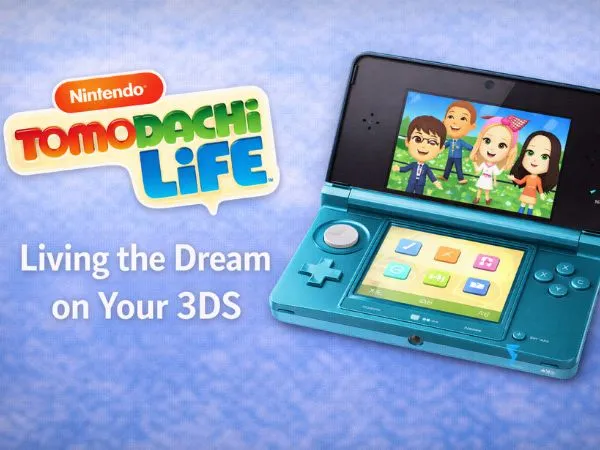
If you owned a Nintendo 3DS in the mid-2010s, there is a very high chance you spent hours watching your friends, family members, and favorite celebrities interact on a virtual island. We are talking, of course, about Nintendo Tomodachi Life.
While Animal Crossing gave us a relaxing escape, Tomodachi Life delivered pure, unfiltered chaos. Whether you were watching your favorite Miis fall in love, get into petty arguments over a frying pan, or perform bizarre rap battles, playing Nintendo Tomodachi Life is living the dream of ultimate, hilarious life simulation.
Even years after its release, the game maintains a massive cult following in the USA and worldwide. Here is a look back at what made this quirky Nintendo 3DS title a masterpiece, the bizarre dreams our Miis had, and why the internet is still begging for a sequel.
also read : – Who Is Gregory? The Mystery Everyone’s Talking About
What Is Tomodachi Life?
Released in North America in 2014, Tomodachi Life is a life simulation game unlike anything else in Nintendo’s library. “Tomodachi” translates to “friend” in Japanese, which perfectly sets the stage for the gameplay.
Instead of controlling an avatar directly, you act as the omniscient caretaker of an island populated by Miis of your creation. You give them food, buy them clothes, and furnish their apartments. In return, they live out their lives autonomously. The joy of the game comes from the completely unpredictable AI. You might put yourself and your real-life crush on the island, only to find your Mii has fallen madly in love with a digitized version of Gordon Ramsay.
“Living the Dream”: The Bizarre Nightmares and Fantasies
If you search for “Nintendo Tomodachi Life living the dream,” you are likely thinking about the actual dreams your Miis experience when they go to sleep.
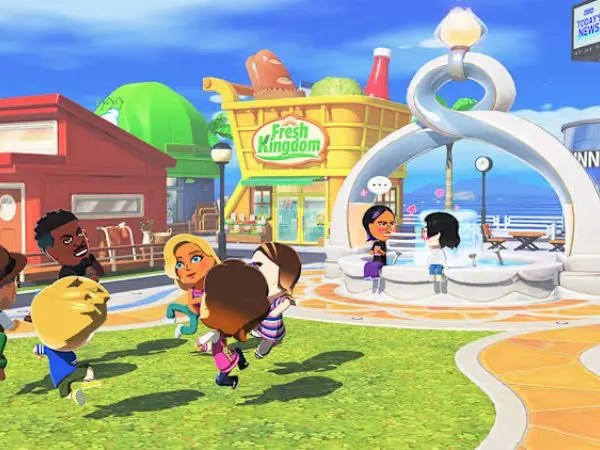
When it gets late on your island, you can peek into the apartment windows of sleeping Miis. Tapping on their thought bubbles pulls you into their dreams—and this is where Nintendo’s legendary weirdness shines.
Some of the most iconic Mii dreams include:
- The Ritual: Miis dancing around a shrine worshiping a piece of food (like a slice of moldy bread or a single banana).
- The Peeping Tom: A giant version of another Mii staring through the window, completely terrifying the dreamer.
- The Invisible Rope: Miis pulling on an endless rope that eventually reveals something incredibly mundane.
- The Transformation: Watching a beloved Mii turn into a snail or an inanimate object.
When the dream ends, the Mii wakes up and usually gives you an item from the dream. It’s a bizarre mechanic, but these surreal moments are exactly what made playing the game feel like a fever dream in the best way possible.
Key Features That Made the Game a Classic
Beyond the bizarre dreams, Tomodachi Life succeeded because it was packed with charm and deep (albeit goofy) mechanics.
1. In-Depth Mii Personalities
Unlike the Wii, where Miis were just static avatars, Tomodachi Life allowed you to fine-tune their personalities. By adjusting sliders for movement, speech speed, expressiveness, and attitude, the game assigned them a personality type (like “Easygoing” or “Confident”). This directly influenced who they got along with and how they reacted to your gifts.
2. Unpredictable Relationships
The drama on the island was better than reality television. Miis would form best friendships, get into massive fights (which required you to intervene to calm them down), date, get married, and even have children. The babies would grow up over a few days, and you could either keep them on the island or send them off to travel the world via the 3DS StreetPass feature.
3. The Concert Hall
Giving your Miis a song (like Heavy Metal, Pop, Rap, or Musical) unlocked the Concert Hall. You could rewrite the lyrics to anything you wanted, leading to some of the funniest, most viral clips of the 3DS era. Hearing a robotic Mii voice rap about dropping a hotdog on the floor never got old.
Will We Ever Get a Sequel on the Switch?
As the Nintendo Switch reaches the later stages of its life cycle, fans are still holding out hope for a Tomodachi Life port or sequel. Nintendo struck gold with Miitopia on the Switch, proving that there is still a massive market for Mii-centric, quirky RPGs.
A modern Tomodachi Life with updated graphics, more personality traits, same-sex marriage options (a heavily requested feature missing from the original), and online connectivity would easily be a top seller. Until Nintendo answers our prayers, we will have to keep our 3DS systems charged to experience the magic.
Final Thoughts
Nintendo Tomodachi Life wasn’t just a game; it was a daily soap opera that lived in your pocket. It embraced the weird, the random, and the ridiculous. If you still have your copy, it might be time to boot up your island, check in on your starving Miis, and get back to living the dream.